UNESCO Guide to Nessebar Old Town: History, Culture & Must-See Landmarks
For visitors, Nessebar is much more than a beach resort attraction. It is an open-air museum filled with ancient churches, stone houses, archaeological remains, sea views, and centuries of cultural influence. This guide explains why UNESCO recognized Nessebar, what makes it special, and which landmarks deserve a place on your walking route.
Why Is Nessebar a UNESCO World Heritage Site?
Nessebar was added to the UNESCO World Heritage List because of its exceptional historical value and the remarkable preservation of monuments from different periods of human history.
Over the centuries, Thracians, Greeks, Romans, Byzantines, and Bulgarians all shaped the town. The result is a unique cultural landscape where visitors can trace more than three thousand years of history within a relatively small area.
Unlike many archaeological sites, Nessebar remains a living town. Residents, businesses, and cultural traditions continue to exist alongside some of Bulgaria’s most important historical monuments.
A Brief History of Nessebar
The origins of Nessebar date back to the Thracian settlement of Menebria. Its strategic location on the Black Sea made it an important trading center long before the arrival of Greek colonists.
During the Greek period, the town became known as Mesembria and developed into a prosperous commercial hub. Later, Roman and Byzantine influence transformed the settlement further, leaving behind fortifications, churches, and architectural elements that can still be seen today.
The medieval Bulgarian era brought a flourishing period of religious architecture. Many of the churches that define the character of Nessebar today were built during this time, earning the town a reputation as one of the most important spiritual centers on the Black Sea coast.
The Landmarks That Define Nessebar
One of the most rewarding aspects of exploring Nessebar is the variety of historical sites concentrated within walking distance.
The ancient city walls near the entrance to the Old Town offer a glimpse into the defensive structures that once protected the peninsula. Beyond them, narrow streets lead visitors through centuries of architectural history.
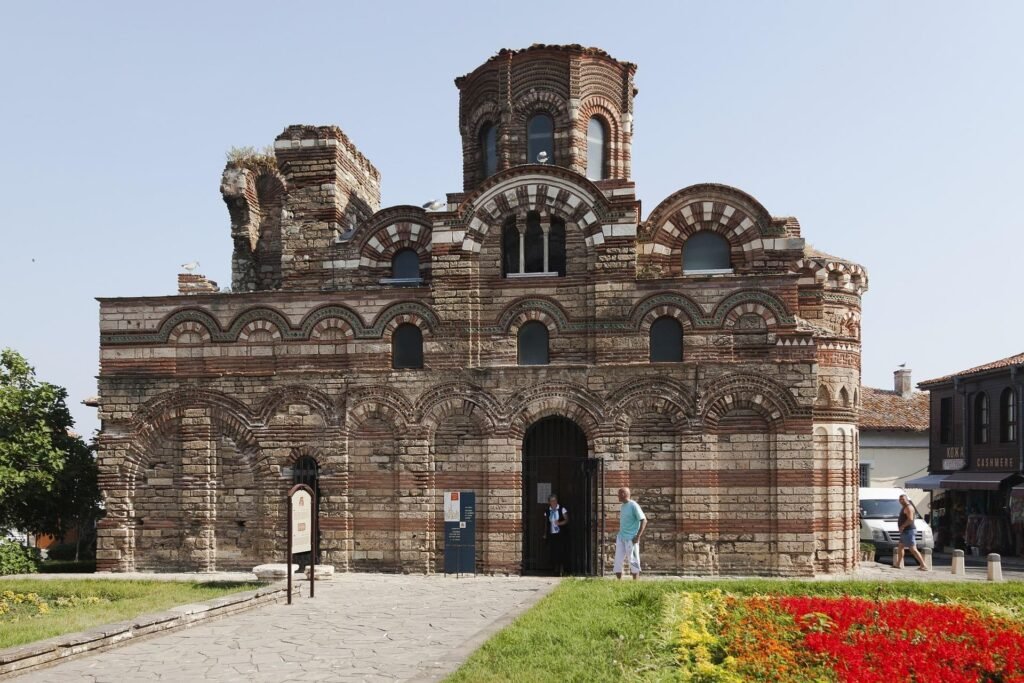
Among the most recognizable monuments is the Church of Christ Pantocrator, admired for its decorative brickwork and elegant medieval design. Nearby, the Church of Saint Sophia stands as one of the largest and most impressive religious monuments in the town. Although partially ruined, it remains one of the defining symbols of Nessebar.
The Church of Saint John the Baptist provides another perspective on the architectural diversity of the Old Town, with its distinctive stone construction and remarkably preserved structure.
Together, these churches form one of the richest collections of medieval religious architecture in Bulgaria.
Walking Through a Living Historic Town
Perhaps the most remarkable aspect of Nessebar is that it does not feel like an open-air museum frozen in time.
As you wander through its cobbled streets, you encounter traditional Bulgarian Revival houses, family-owned shops, sea-facing terraces, and quiet courtyards. Historic monuments appear naturally between everyday life, creating a sense of continuity rarely found in heritage destinations.
This combination of preserved history and active local culture is one of the reasons visitors often spend longer in Nessebar than originally planned.
The best way to experience the town is simply to walk without rushing. Some of the most memorable moments come not from major landmarks but from discovering hidden corners, small viewpoints, and unexpected architectural details.
Cultural Experiences Beyond the Monuments
While churches and archaeological remains are the main attractions, Nessebar’s cultural identity extends beyond architecture.
Local traditions, regional cuisine, and Bulgarian wine culture all contribute to the experience of exploring the Old Town.
Many visitors choose to include a stop where they can learn more about local wines while taking a break from sightseeing. One of the most distinctive places for this experience is Chasovnika Winery, located within the historic clock tower setting of Nessebar Old Town.
The atmospheric stone cellar offers a different perspective on local culture. Rather than serving purely as a retail space, it provides an opportunity to experience Bulgarian wine traditions within a setting that reflects the historical character of the town itself. For travelers interested in combining heritage, atmosphere, and local flavors, it is a natural stop during an Old Town walk.
The Best Places for Photography
Nessebar is one of the most photogenic destinations on the Bulgarian Black Sea coast.
The entrance causeway and old windmill provide some of the most recognizable views of the peninsula. Early morning and late afternoon are particularly rewarding, as soft light highlights the stone walls and church facades.
The narrow streets of the Old Town offer endless opportunities for street photography, while the coastline surrounding the peninsula provides dramatic sea views from nearly every direction.
Historic churches, traditional wooden houses, and hidden courtyards create a visual atmosphere that feels authentic rather than staged, making Nessebar especially attractive for travelers interested in cultural photography.
How Much Time Should You Spend in Nessebar?
A half-day visit is enough to see the main UNESCO landmarks, walk through the historic center, and enjoy several viewpoints.
However, visitors interested in history, photography, local culture, or wine experiences will often find that a full day allows for a much deeper appreciation of the town.
Spending extra time also provides the opportunity to explore quieter streets away from the busiest visitor areas and experience a more relaxed side of Nessebar.
Why UNESCO Recognition Still Matters Today
UNESCO recognition helps preserve the unique identity of Nessebar while ensuring that its cultural heritage remains accessible to future generations.
For travelers, the designation serves as a reminder that this small peninsula represents far more than a picturesque seaside destination. It is one of the most significant historical sites in Bulgaria and one of the most fascinating cultural landscapes on the Black Sea.
Nessebar’s enduring appeal comes from the way history, architecture, local traditions, and everyday life continue to coexist within its ancient walls. That balance is what makes the town not only a UNESCO World Heritage Site but also one of the most rewarding places to visit in Bulgaria.